
Performance
Sustained readiness across an entire season.
Behavioural context that arrives before physical data shifts — so support, load and conversations can adapt earlier.

Behavioural intelligence for elite sport
The behavioural intelligence layer helping sporting organisations understand the human state behind performance.
Built through lived experience and direct work inside elite sport.
Why organisations use Why Not I
Performance
Behavioural context that arrives before physical data shifts — so support, load and conversations can adapt earlier.
Proactive, human-centred support for athletes as people first.
Earlier visibility of concerns, routed to the right people.
A shared language for behaviour and standards across the organisation.
Better-informed conversations for staff and leadership.

“The platform provided a way in for player conversations.”
Shaped by a movement of professional athletes, coaches and performance staff across basketball, rugby, football and Olympic sport.
A 10-person advisory board spanning safeguarding, performance psychology, tech, legal and high-performance coaching.
The Why Not I Behavioural Performance Model
A structured framework for understanding the behavioural state behind elite performance.
Pillar 01 / 05
Can this athlete perform today?
Whether the athlete feels mentally, emotionally and physically ready to meet the demands of the day.
Behavioural measures(4)
Energy
The athlete's perceived physical and mental capacity to engage with the demands of the day.
Recovery
The athlete's perception of how effectively they have recovered from recent physical, emotional and performance demands.
Focus
The athlete's ability to direct attention toward performance demands without significant distraction.
Mental Preparedness
The athlete's belief that they are psychologically ready for the demands ahead.
The model is not designed to diagnose mental health conditions. It organises behavioural signals into structured intelligence for performance staff and leadership.
How it works
A four-stage flow designed around athlete trust and the operating rhythms of elite sporting environments.
Athletes complete structured reflections with clear privacy and sharing controls.
Reflections translate into behavioural signals across the five pillars.
Signals become insight for the right people, at the right level of detail.
Insight informs earlier support, better conversations and more considered decisions.
The platform
Turn daily athlete reflection into clear behavioural context for performance, player care and leadership teams.
For coaches & staff
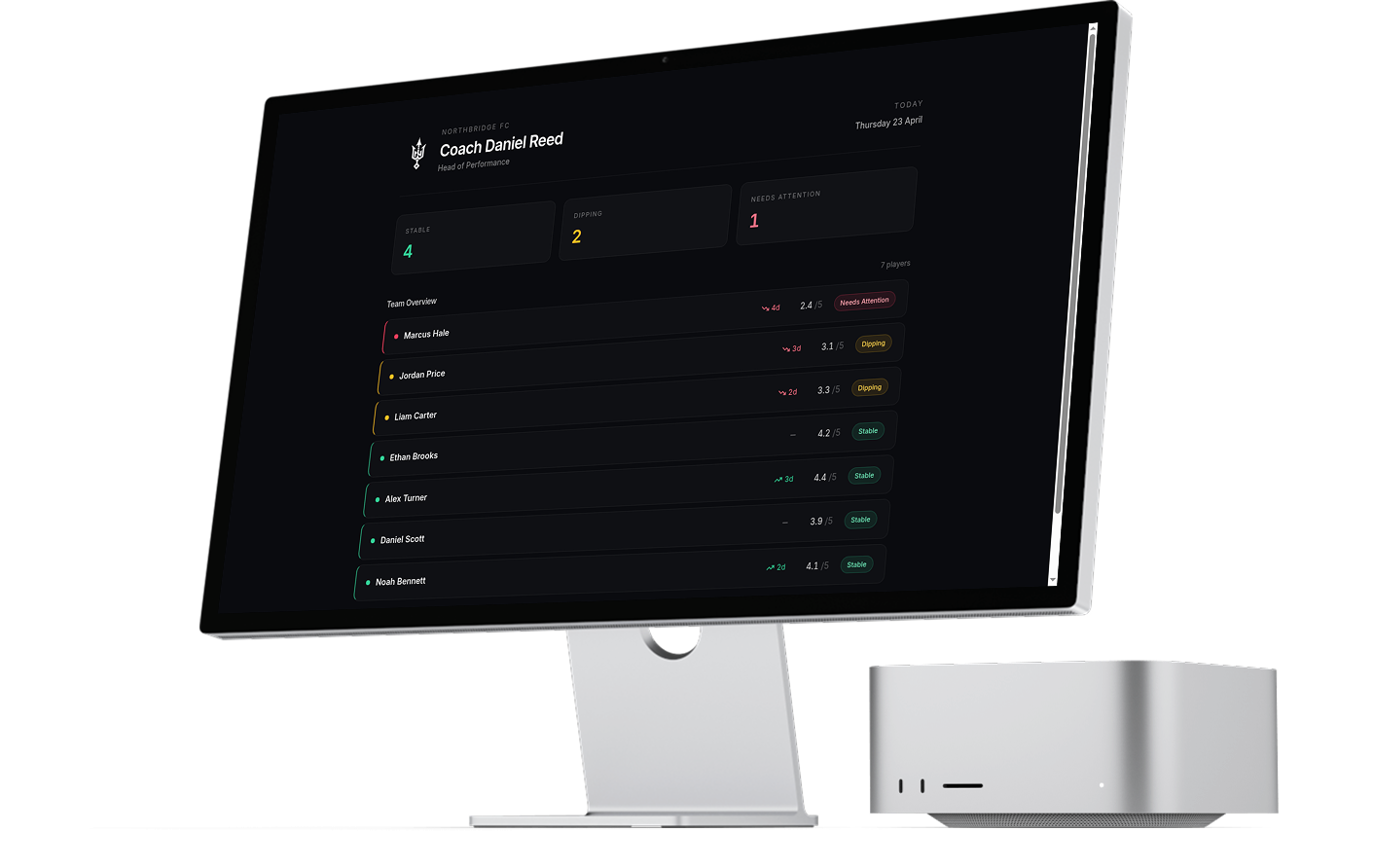
A calm coach dashboard that surfaces team state, individual trends and moments that need attention.
For athletes
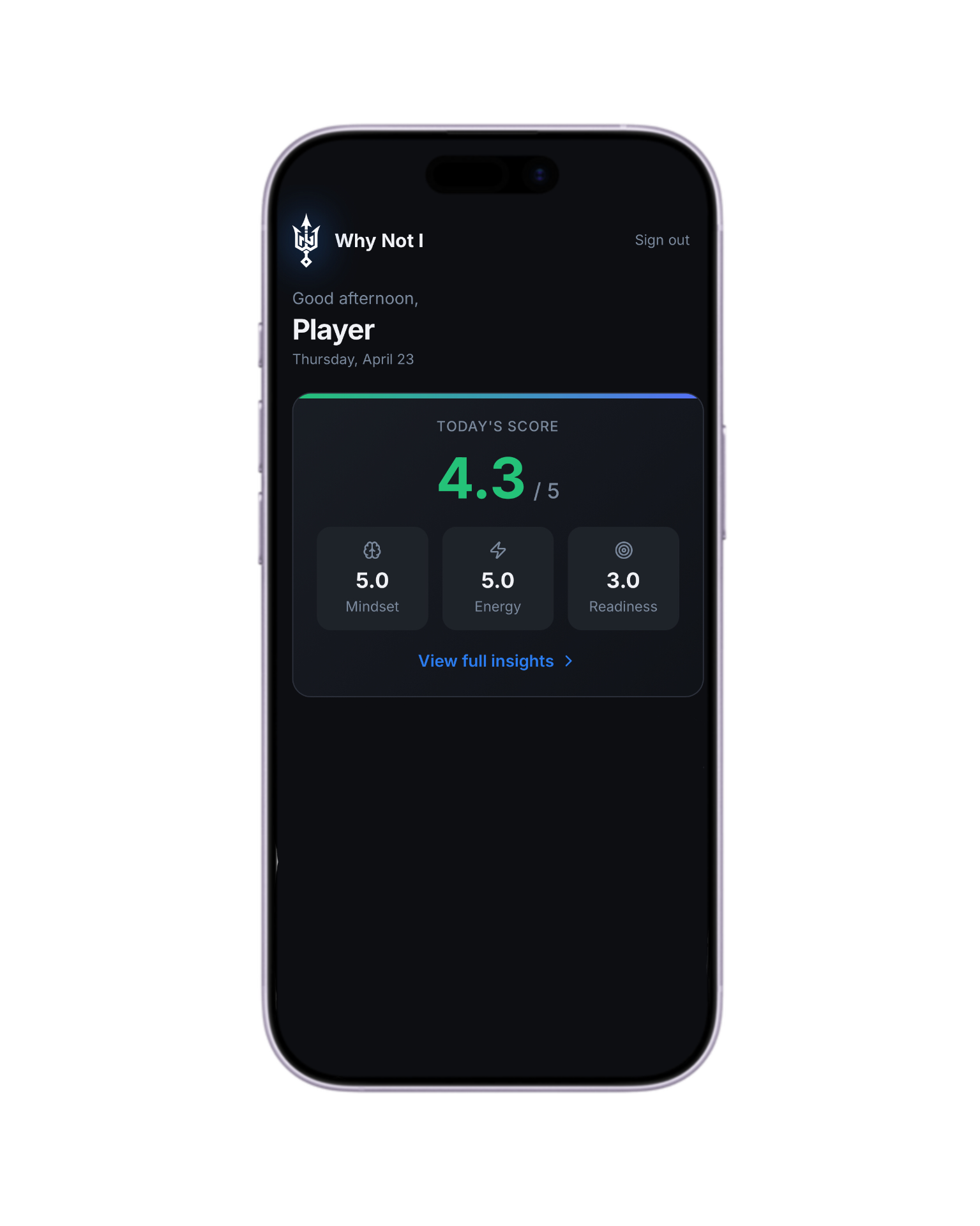
A private, one-minute daily reflection built for the pace of elite training environments.
// Interface previews — indicative


Proven in elite sport
Two independent pilots. Two different contexts. Consistent behavioural engagement.
Basketball, football, rugby, ice hockey, netball
in a two-week window
“It gives me a chance to actually stop and check in with myself — to find out how I really feel in the moment, rather than assume in such a fast-paced life.”
The pilot intentionally tested natural behaviour, without reminders or mandatory usage, to understand true athlete engagement.
Engaged voluntarily
Actively used the platform
Integrated into support flow
“The platform provided a way in for player conversations.”
Deployed during a relegation battle and organisational instability, the platform supported earlier conversations and informed staff decisions.
What both pilots validated
Athletes engage
Voluntary engagement inside unstructured and structured environments alike.
Coaches gain visibility
Real-time insight into behavioural state supports smarter staff decisions.
Support pathways are used
Athletes accessed support features when they needed them most.
Fits elite operating rhythms
The platform fits seamlessly into daily routines and performance systems.
In the field
Shaped through lived experience, athlete conversations and direct work inside high-performance environments.

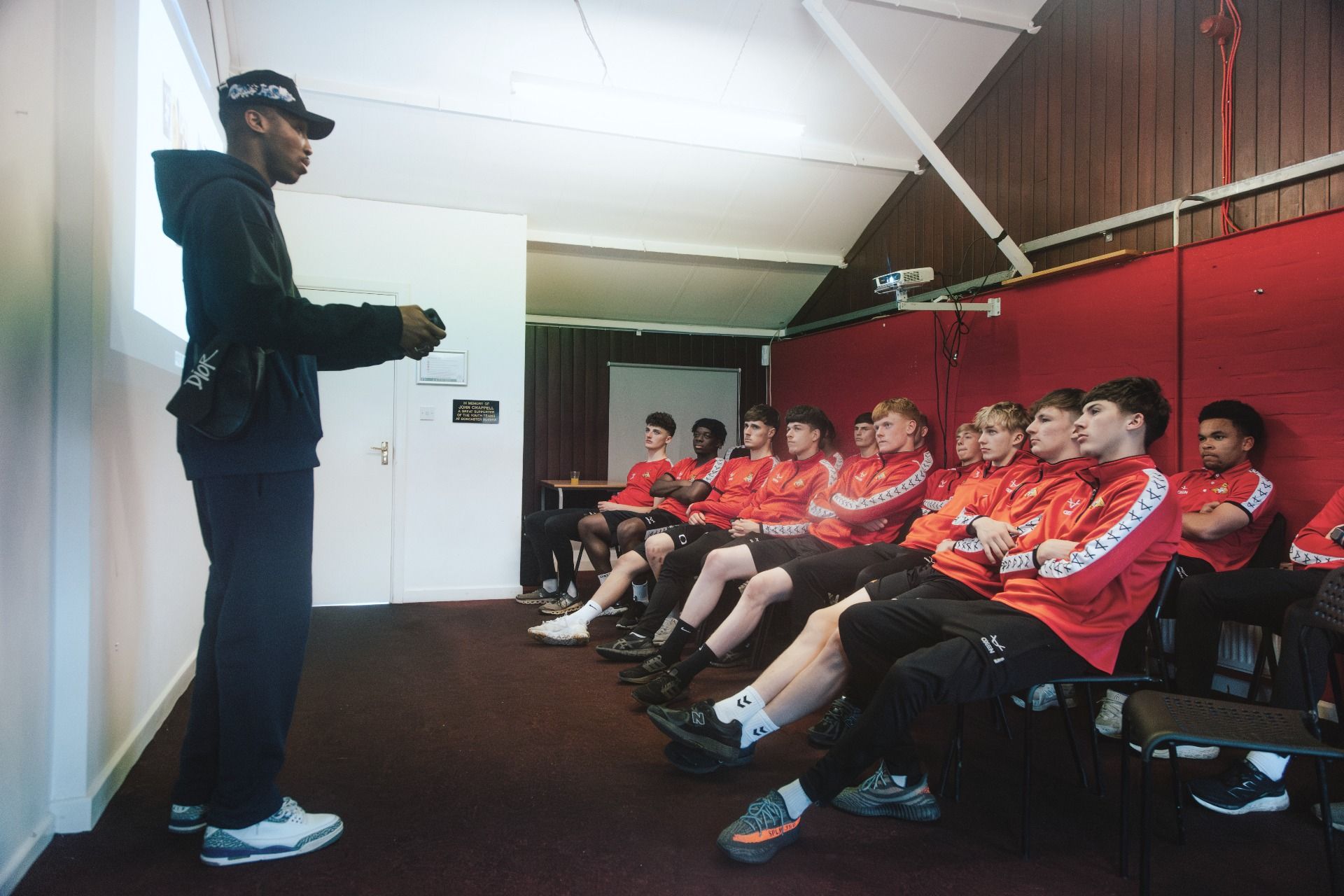
Why Not I founder Kofi Josephs speaking with young elite footballers — the kind of direct proximity to athletes that shapes how the platform is built.

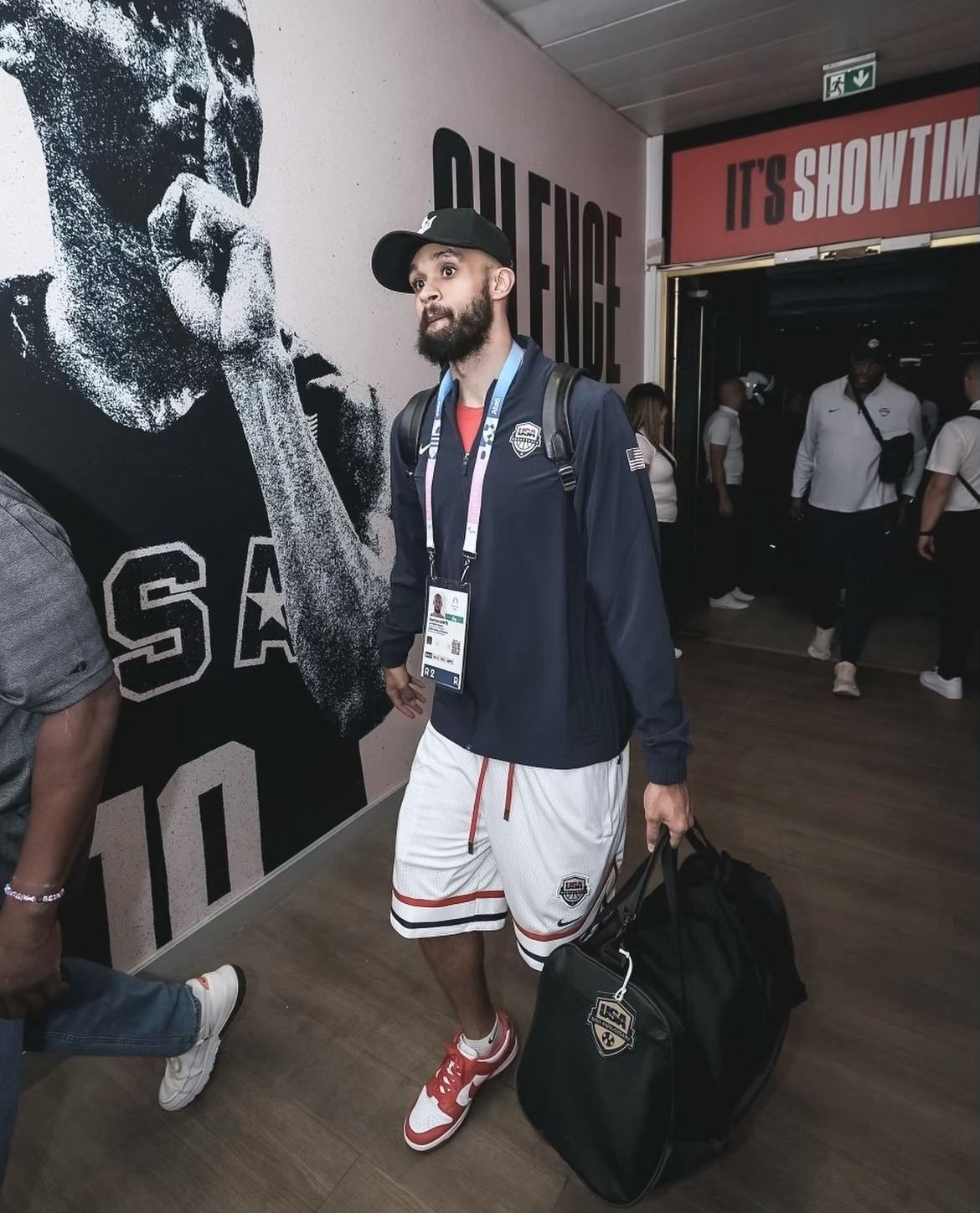
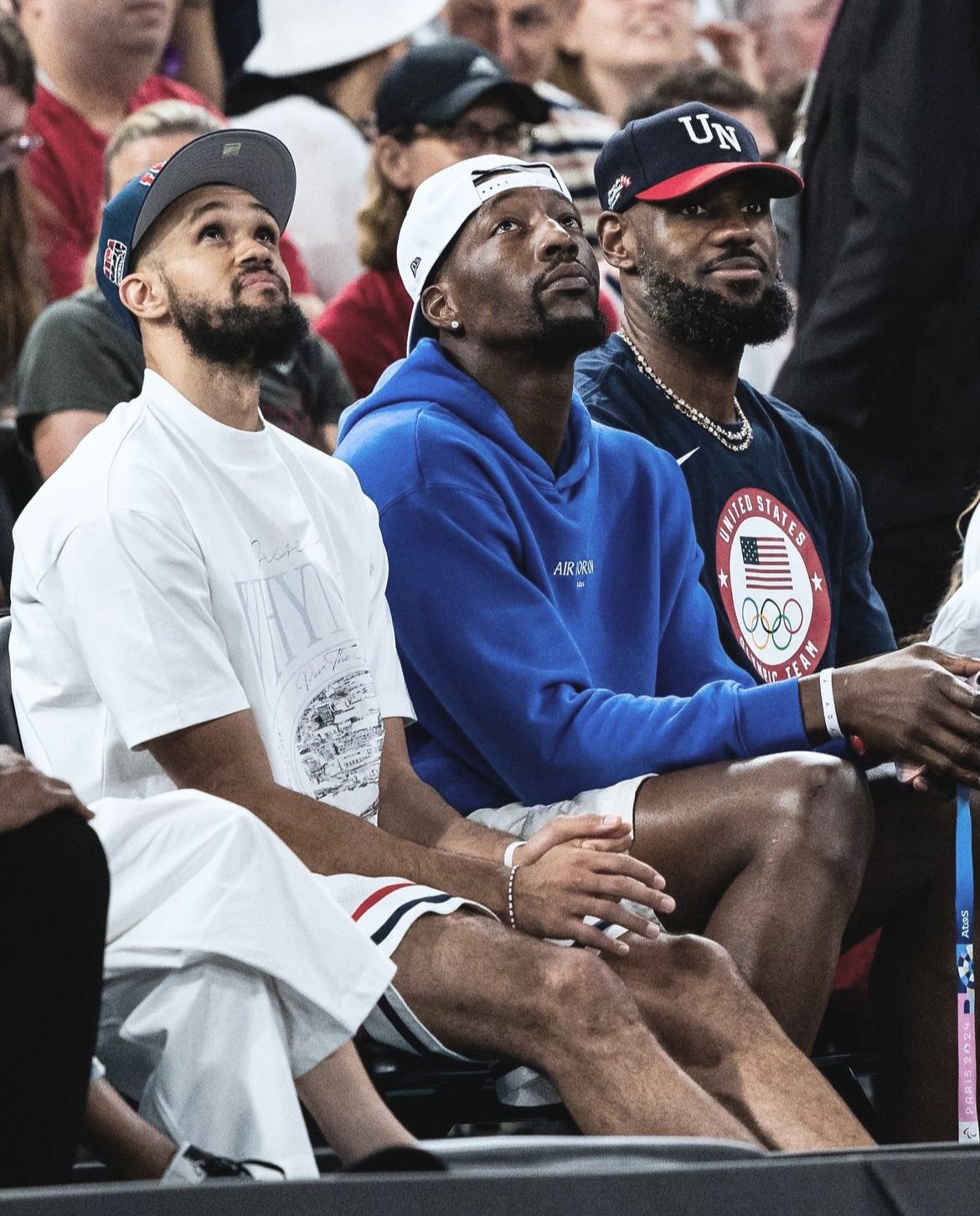
NBA Champion guard Derrick White in Why Not I with Team USA.

Olympic Gold Medalist Derrick White in Why Not I courtside with LeBron James & Bam Adebayo.
Privacy & governance
Athletes are given clear control over what they reflect on and what they choose to share.
Data is handled with the discretion elite sporting environments require, at rest and in transit.
The right people see the right signal at the right level — nothing more.
Privacy · Governance · Trust
Athlete-controlled sharing
Private by default. Athletes choose what becomes signal.
Role-appropriate access
The right people see the right level — never personal content.
Responsible data governance
Handled with the discretion elite environments require.
Behavioural, not clinical
Structured performance context — not diagnostic data.
See how Why Not I can strengthen performance, player care and organisational decision-making.